Management Approach
2025 Performance
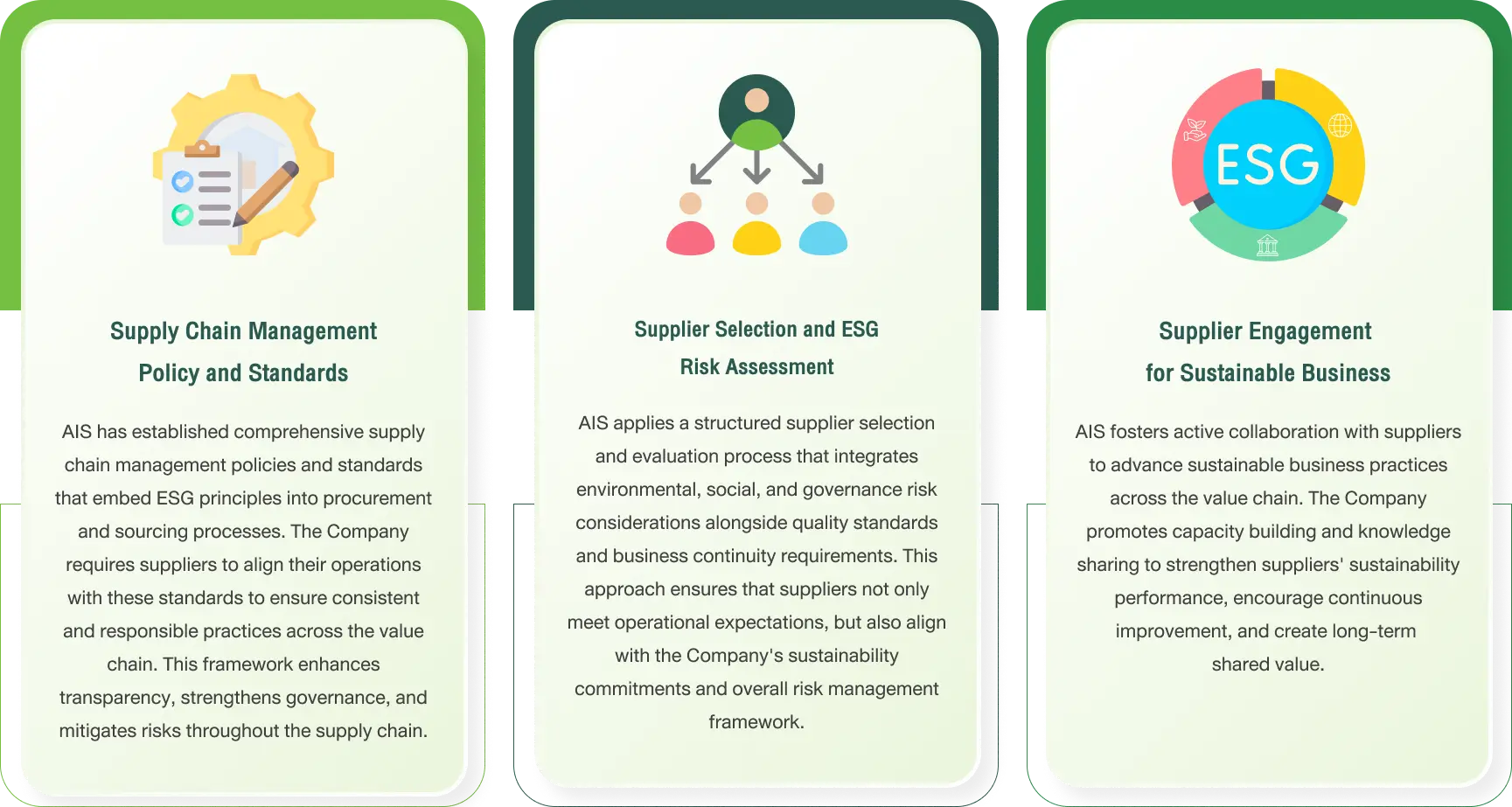
1) Supply Chain Management Policy and Standards - Key focus areas are outlined Key focus areas are outlined below.
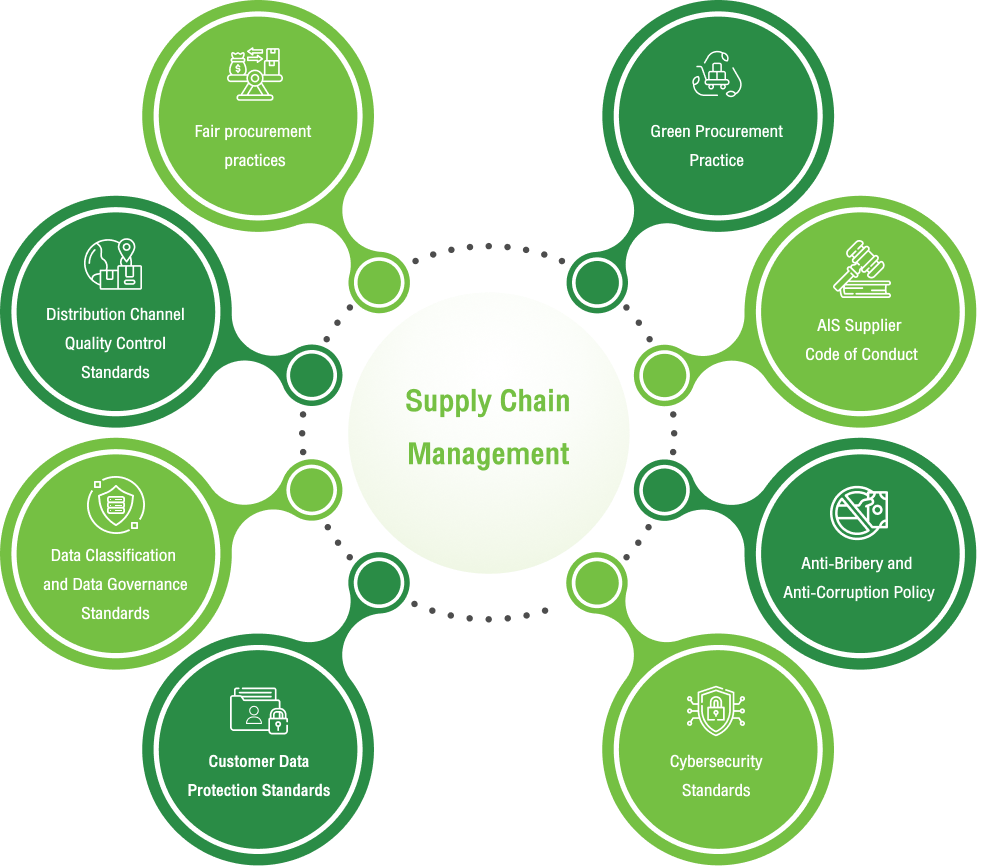
Examples of Distribution Channel Quality Control Standards
Operational Guidelines
Enforce the AIS Supplier Code of Conduct across all business partners, both existing and new, to ensure consistent adherence to ethical standards and responsible business practices.
Establish clear selection criteria for key distributors to ensure their ability to adapt to market dynamics, remain competitive, and sustain long-term operations.
Define comprehensive quality and service standards for distributors to ensure consistent service delivery and alignment with AIS brand values, customer experience expectations, and corporate image across all distribution channels.
Establish sustainability standards applicable to all distributor groups, covering three key dimensions: corporate governance, social responsibility, and environmental management.
Define financial and risk management standards to enhance operational stability, accountability, and transparency
Conduct annual risk assessment through various mechanisms, including workshops and supplier self-assessment processes, to proactively identify and manage potential risks.
Training and Capacity Development
Provide essential training courses and competency development plans to strengthen the capabilities of business partners.
Organize annual workshops at both corporate and regional levels to reinforce operational standards, compliance requirements, and service excellence.
Performance Evaluation and Monitoring
Evaluate revenue performance in accordance with established criteria to ensure fair and transparent remuneration for business partners.
Assess sales and service performance based on defined indicators, including customer satisfaction and distributors’ product knowledge.
Conduct annual distributor satisfaction assessments and use the findings to continuously enhance the effectiveness and quality of distribution channel management.
2) Conduct supplier selection and annual ESG risk assessments
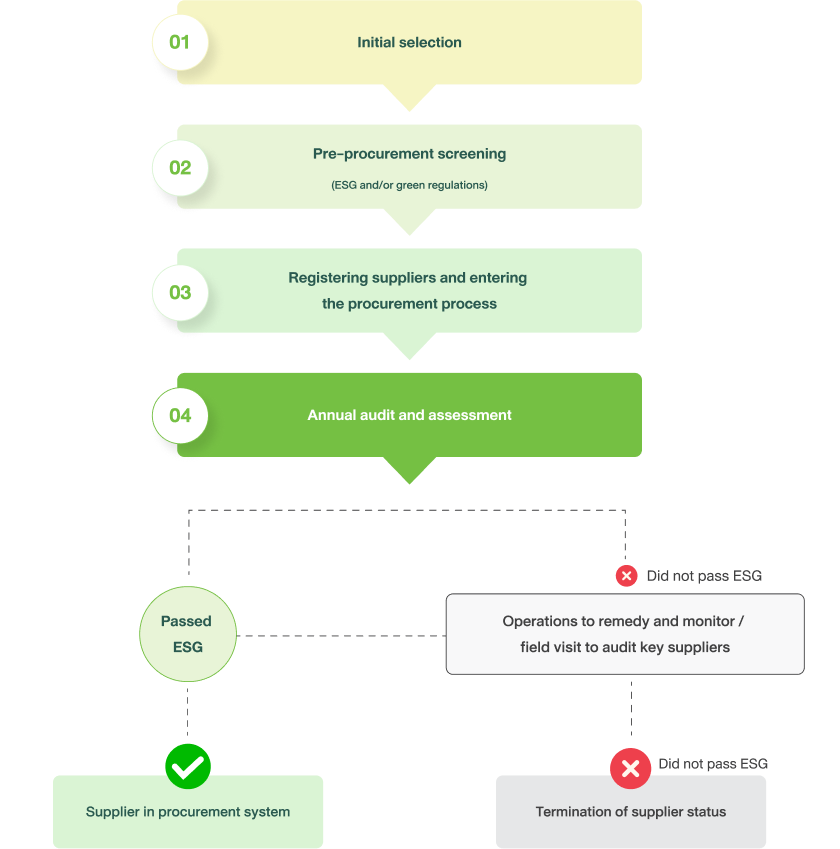
AIS conducts comprehensive ESG risk assessment and analysis of suppliers throughout the entire business relationship lifecycle, beginning at the selection stage. Sustainability considerations are systematically integrated into evaluation criteria, covering governance, social, and environmental dimensions.
The Company also monitors and reviews supplier performance on an annual basis across key areas, including corporate governance and anti-corruption, human rights and fair employment practices, personal data protection and cybersecurity, occupational health and safety, environmental management, and the responsible management of conflict minerals.
Procedure for selecting suppliers and assessing sustainability risk
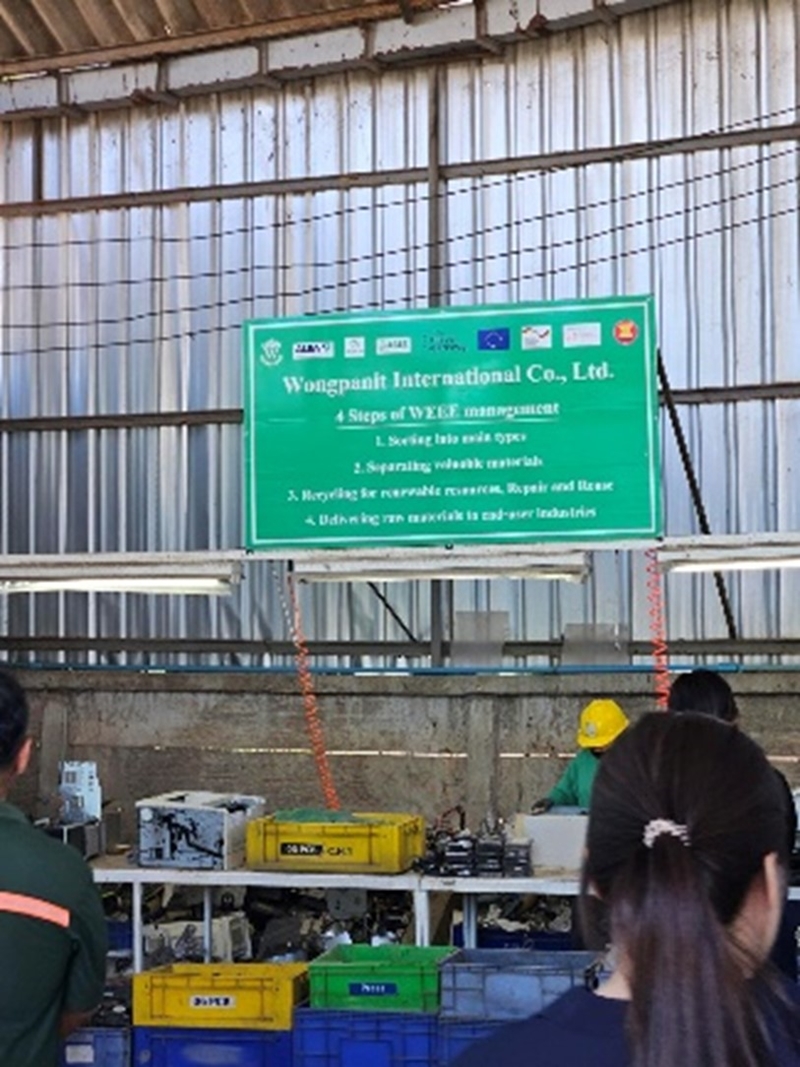
3) Supplier Engagement to Embed Sustainable Practices
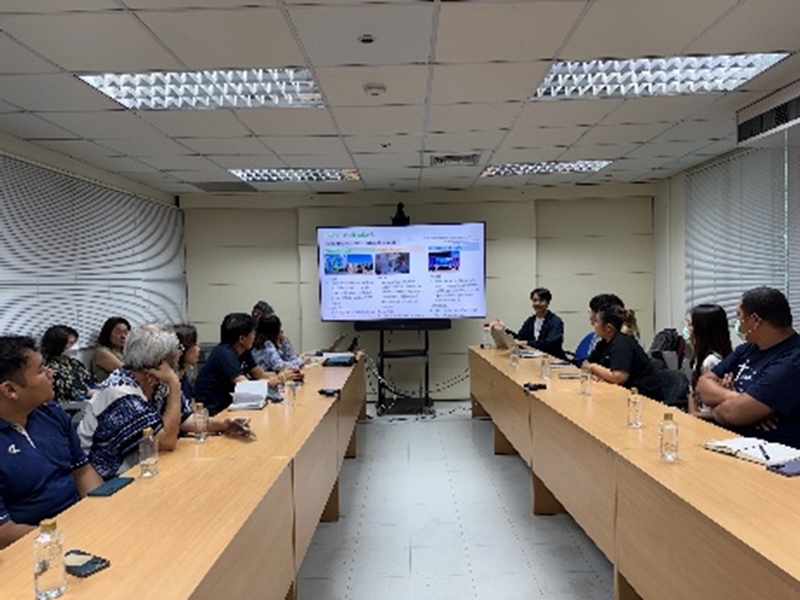
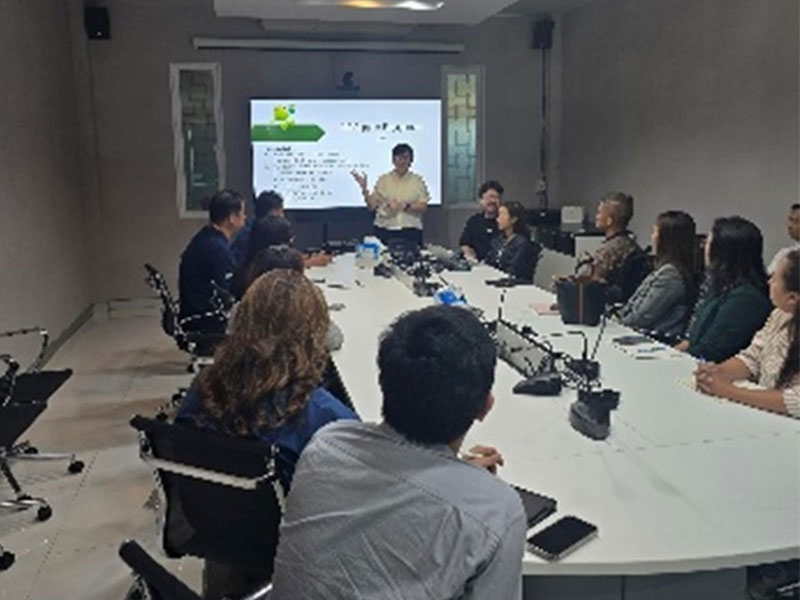
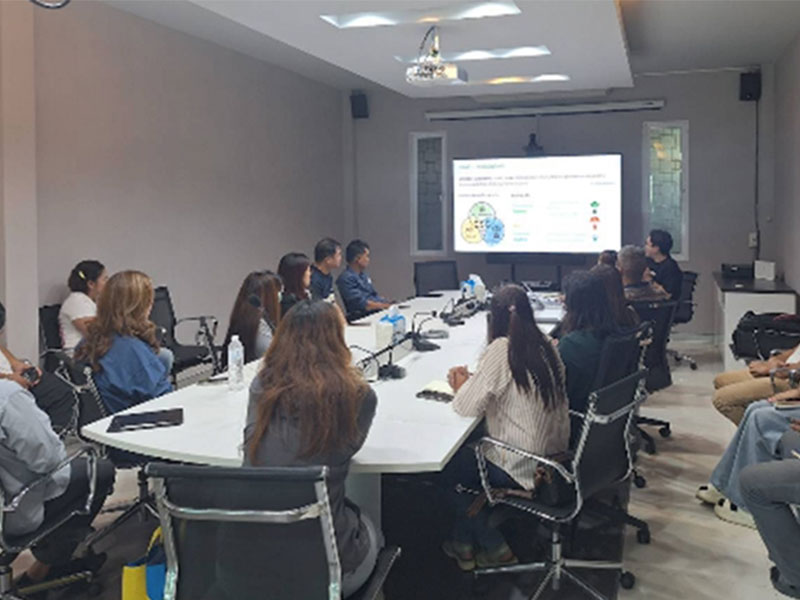
1. Communication and Awareness Building
Communicated the importance of sustainability in business operations, encouraging suppliers to systematically integrate ESG considerations into their processes.
Shared AIS’s sustainability strategy and targets to raise awareness of key ESG issues, particularly climate change impacts.
Provided updates on regulatory trends related to greenhouse gas reduction to enhance suppliers’ future readiness.
2. Driving Greenhouse Gas Emission Reduction
Provided guidance on emission sources and greenhouse gas calculation methodologies.
Encouraged key suppliers to disclose emissions from their operations.
Collaborated with suppliers to establish emission reduction approaches to effectively manage Scope 3 emissions.
3. Strengthening Sustainable Collaboration
Promoted compliance with standards on business ethics, anti-corruption, human rights, and occupational health and safety.
Supported the adoption of energy efficient technologies and equipment.
Encouraged environmentally friendly design and material selection.
Advanced systematic waste management practices to reduce environmental impacts throughout the supply chain.