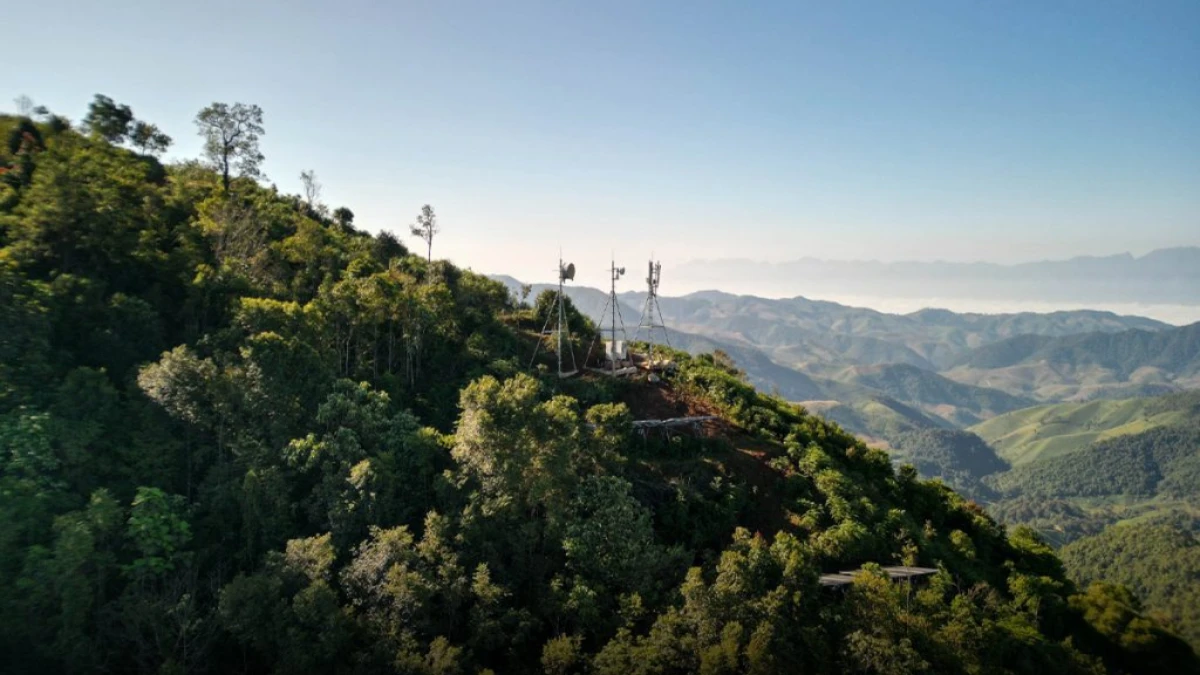
Ban Moko Poke
Mae U Su Subdistrict, Tha Song Yang District, Tak Province, Thailand
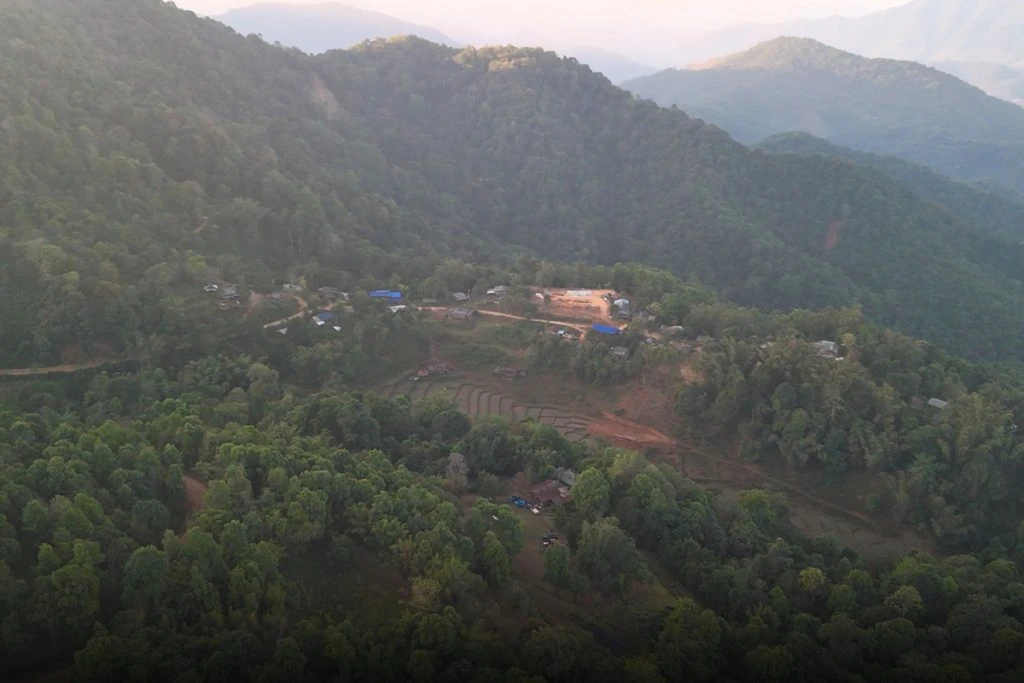
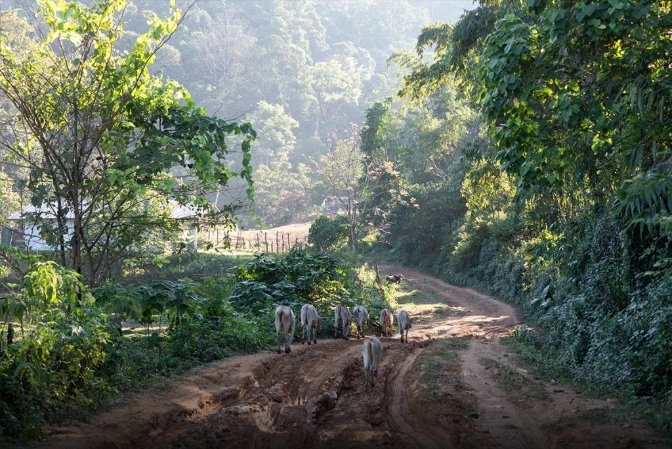
Ban Moko Poke is a highland community located in Tha Song Yang District, Tak Province, approximately 50 kilometers from the district center. Access to the village is relatively difficult, as most of the route consists of unpaved roads. During the rainy season, slippery roads and landslides frequently occur, while in the dry season, heavy dust from the road conditions and surrounding agricultural areas poses challenges for travel and daily life.
The community is made up of six hamlets and has a population of around 1,200 people. Most residents are Karen (Pgakenyaw) people who continue to maintain a traditional way of life based on harmony with nature and local wisdom. The primary livelihoods include agriculture, such as rotational farming, coffee cultivation, livestock raising, and traditional handicrafts.
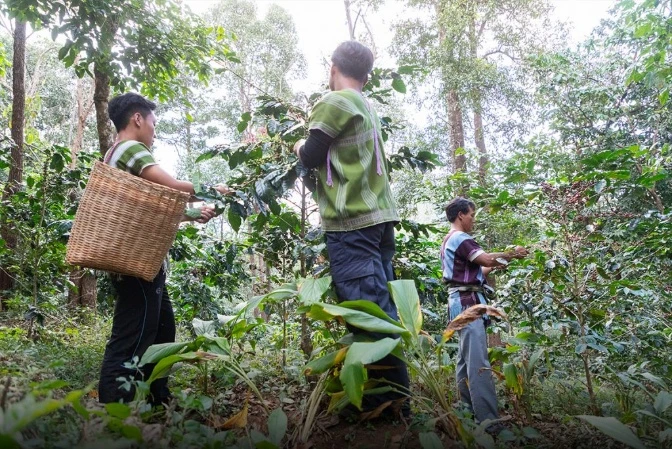
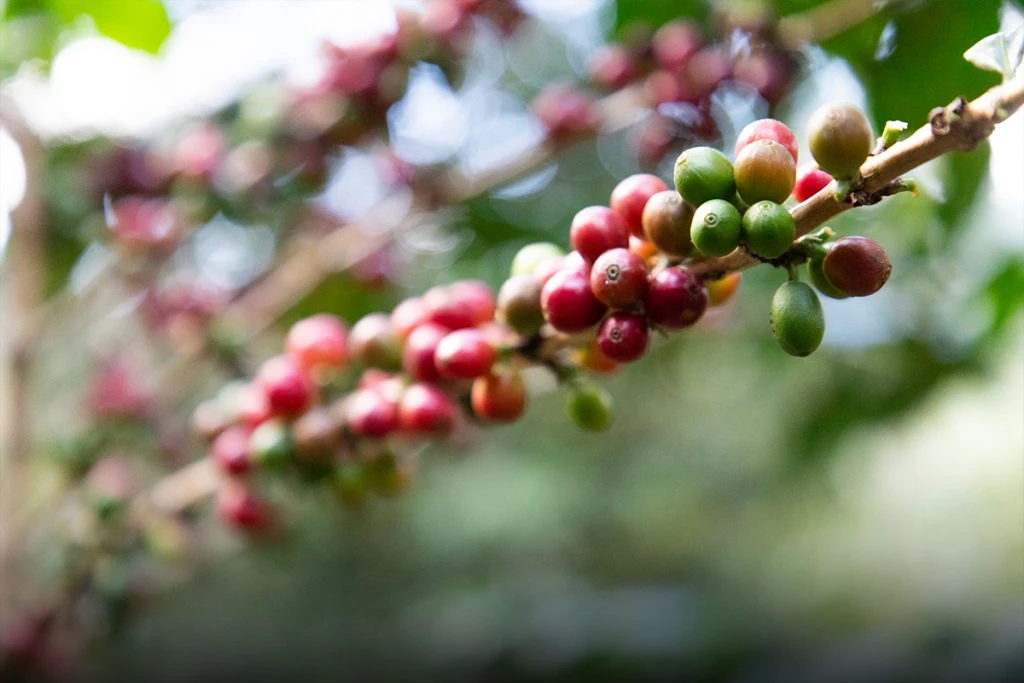
A key highlight of the community is its “Forest Conservation Coffee” initiative, known locally as Doi Moko Coffee. Coffee is cultivated under the shade of forest trees within a natural ecosystem, allowing farmers to protect forests and watershed areas while generating income. The community has practiced this approach for more than 20 years, using chemical-free production methods and selectively hand-picking only ripe coffee cherries to maintain product quality. This model enables residents to earn a livelihood while preserving natural resources.
In the past, fluctuations in coffee prices led some farmers to switch to monoculture maize cultivation. This resulted in deforestation, agricultural burning, and increased PM2.5 air pollution. In response, community leaders have worked together to revive and expand the “Forest Conservation Coffee” concept through demonstration plots and adoption by 32 households, covering more than 200 rai (approximately 32 hectares). This initiative aims to create a sustainable balance between community economic development and environmental conservation.
In terms of education, the community is home to the Mae Fah Luang Community Learning Center of Ban Moko Poke, which serves as the primary education center for local children. While most children have access to basic education, many face difficulties continuing their studies beyond Grade 6 due to transportation challenges and the distance to secondary schools in the district center. However, increasing access to the internet and digital technology is creating new opportunities for children and youth to learn from external sources and develop new skills.
Regarding healthcare, the community has a health station and a community health center that provide basic medical services. Patients with serious conditions must be referred to Tha Song Yang Hospital. Common health issues include hypertension, diabetes, and asthma. The community relies on a mountain water supply system for household consumption, although it does not yet have a standardized water treatment system, particularly during the rainy season. To address this challenge, solar-powered systems and water filtration units have been installed at the local school, helping students gain access to safe and clean drinking water.
In terms of energy, the community is not connected to the national electricity grid. Residents rely primarily on small-scale solar energy systems for lighting and charging basic household devices. While these systems have improved quality of life to some extent, electricity generation remains insufficient, especially during the rainy season, affecting daily activities, education, and economic development opportunities.
In the past, villagers had to walk approximately three kilometers outside the community to find a mobile phone signal for communication. Today, communication and internet infrastructure have gradually improved, enabling residents to access information, education, healthcare services, and economic opportunities more effectively. Improved connectivity has also supported the online marketing and sale of community products.
Ban Moko Poke is widely recognized as a model highland community for sustainable development. Through its “Forest Conservation Coffee” approach and ongoing investments in renewable energy and communication infrastructure, the community successfully integrates natural resource conservation, income generation, and quality-of-life improvement. These efforts are helping to build a resilient, balanced, and sustainable future for local residents while preserving the rich natural environment on which they depend.