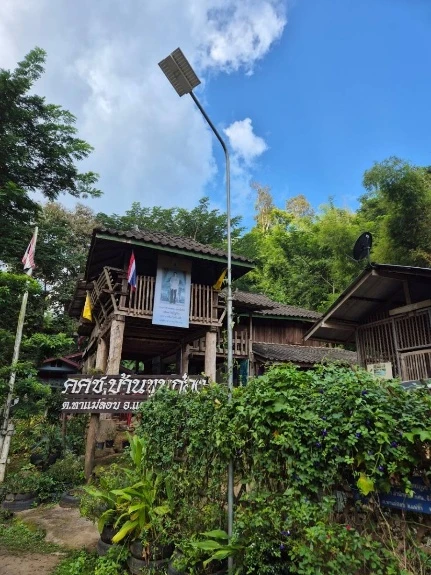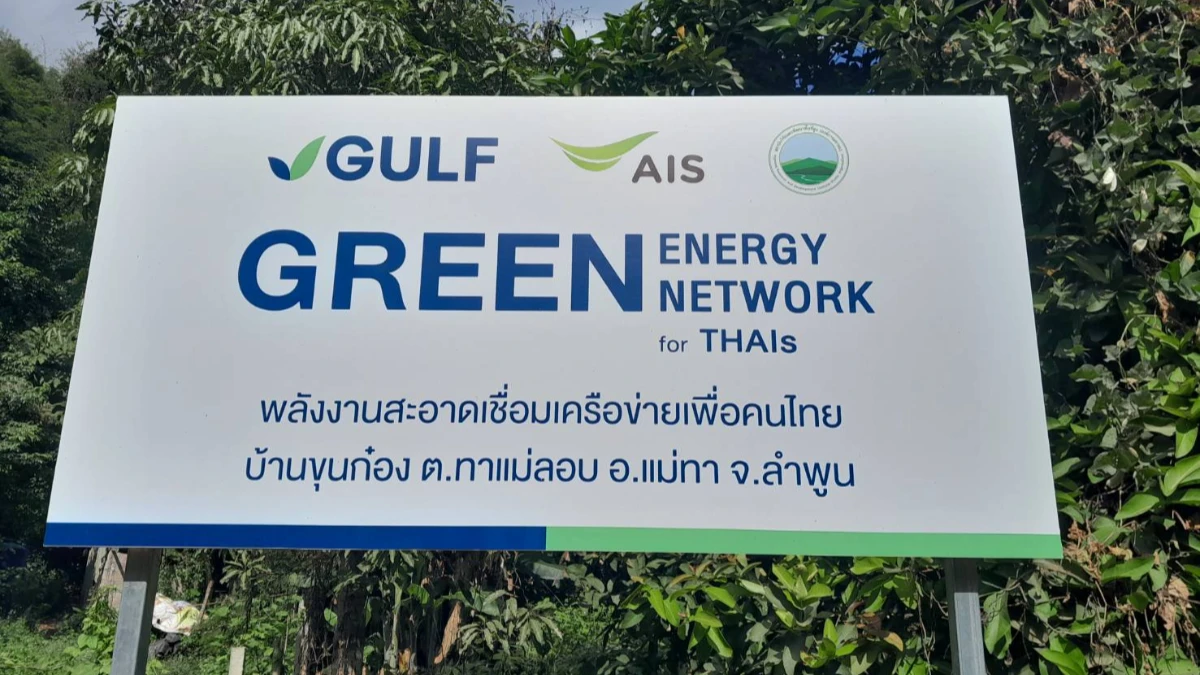
Ban Khun Kong
Tha Mae Lop Subdistrict, Mae Tha District, Lamphun Province, Thailand
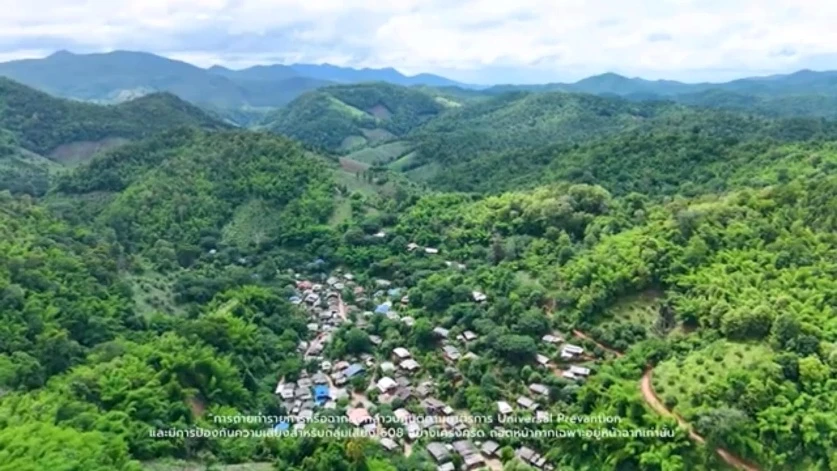
Ban Khun Kong is a highland community located in Mae Tha District, Lamphun Province, with a history spanning more than 100 years. The village was originally established by a group of settlers who came to cultivate farmland and build temporary shelters before gradually developing into a permanent community. The name “Khun Kong” is derived from the phrase Khong Kong, which refers to an area where villagers gathered and stored their belongings near a stream. Over time, the pronunciation evolved into “Khun Kong,” the name used today.
The community is the traditional homeland of the Karen ethnic group, who have continued to preserve their way of life, cultural heritage, and local wisdom. Residents maintain a close relationship with nature and the forest resources surrounding the village.
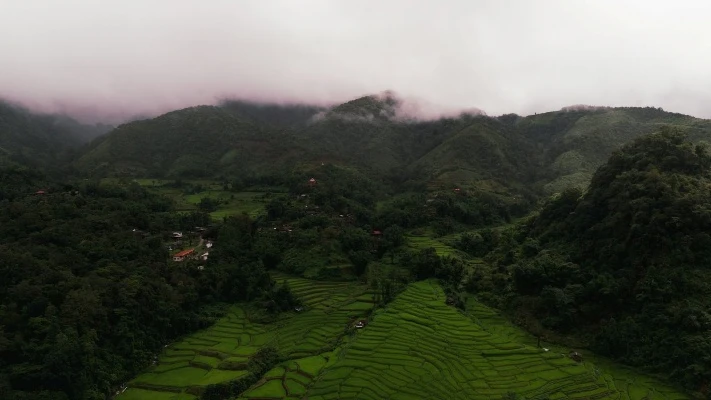
Ban Khun Kong is situated among high mountains and sloping terrain, surrounded by forests and natural water sources that serve as essential resources for the community. The village is located approximately 47 kilometers from Mae Tha District and about 5 kilometers from the main road leading into the community. Most of the access route is paved with concrete roads. The area is well suited to nature-based agriculture, although some limitations remain in terms of public utilities and access to essential services.
Today, the community has a population of approximately 447 people living in 143 households. Most residents are Karen people who share strong family and kinship ties, fostering a high level of solidarity within the community. The local administrative structure includes the village headman, assistant village headmen, members of the Subdistrict Administrative Organization, and Village Health Volunteers (VHVs), all of whom play important roles in supporting the well-being of community members.
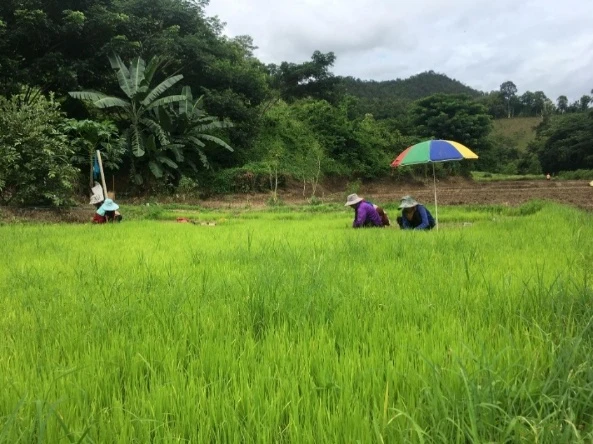
The primary occupation of residents is agriculture and the utilization of natural resources. Common livelihoods include monoculture maize cultivation, foraging for forest products, and general wage labor. Most agricultural production is limited to a single growing season each year, resulting in uncertain household income. The average annual household income is approximately 70,000 Thai Baht. Despite economic challenges, the community possesses valuable assets in the form of abundant natural resources, a self-reliant lifestyle, and strong cooperation among residents.
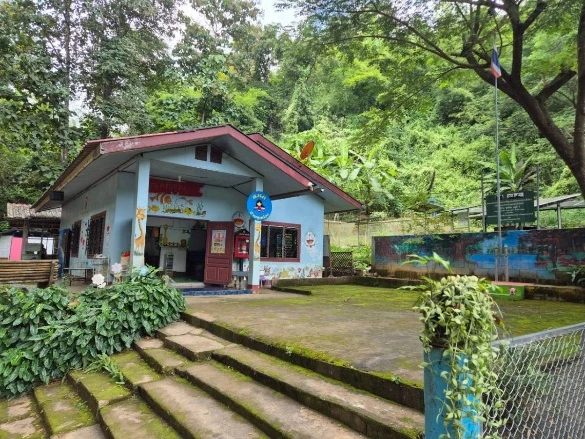
In terms of education, the community is served by the Mae Fah Luang Community Learning Center (CLC) and Ban Pong Mae Lop School, Khun Kong Branch, which provide educational opportunities for local children and youth. However, many students must travel outside the community to continue their education at higher levels, particularly to Rajaprajanugroh 26 School in Lamphun Province, located about 60 kilometers away. As a result, transportation and educational expenses remain significant challenges for many families.
The lifestyle of community members remains simple and closely connected to nature. Residents grow crops primarily for household consumption, gather forest products to generate supplementary income, and rely largely on family labor. Most meals consist of homegrown vegetables, while meat is consumed occasionally. Additional necessities are purchased from local traders within the village.
Regarding culture and beliefs, residents practice Buddhism alongside traditional ancestral spirit beliefs. Every household honors household spirits, and when a family member becomes ill, a traditional ritual known as “Liang Phi” (spirit-feeding ceremony) may be performed to bring blessings and good fortune. Offerings such as chickens or pigs are presented according to local customs. These practices reflect the deep-rooted connection among people, nature, and spirituality that continues to shape the community’s way of life.
In terms of healthcare, the community is served by Ban Huai Hom Health Promoting Hospital, which provides primary healthcare services. Common health issues include hypertension, diabetes, gastritis, skin diseases, and dengue fever. However, access to healthcare services remains a significant challenge due to the village’s remote location.
With its rich natural resources, strong community cohesion, and self-reliant way of life, Ban Khun Kong has significant potential to become a model highland community. By balancing environmental conservation, cultural preservation, and quality-of-life improvement, the community can continue to pursue sustainable development while maintaining its unique identity and heritage.