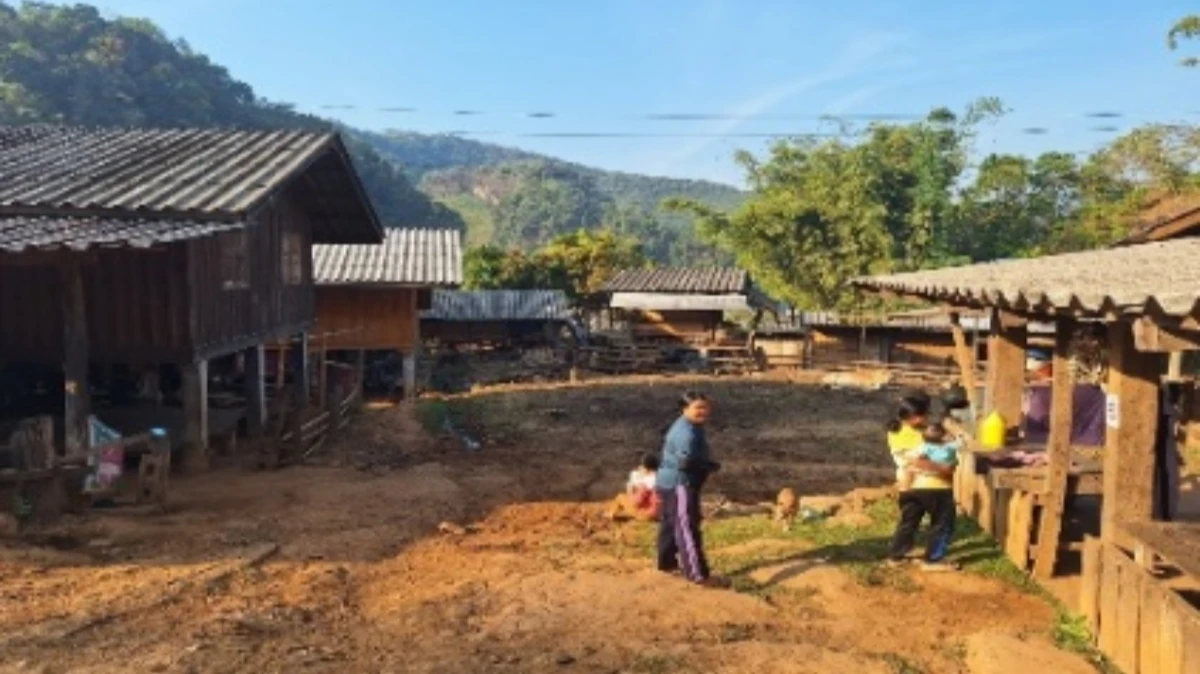
Ban Mae Khong
Na Kian Subdistrict, Omkoi District, Chiang Mai Province, Thailand
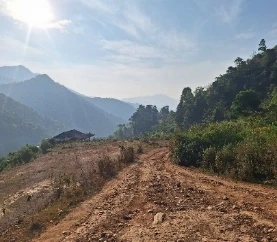
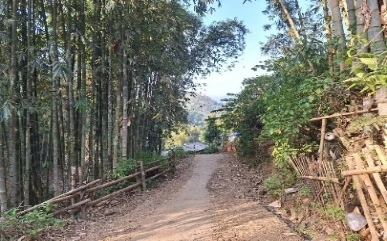
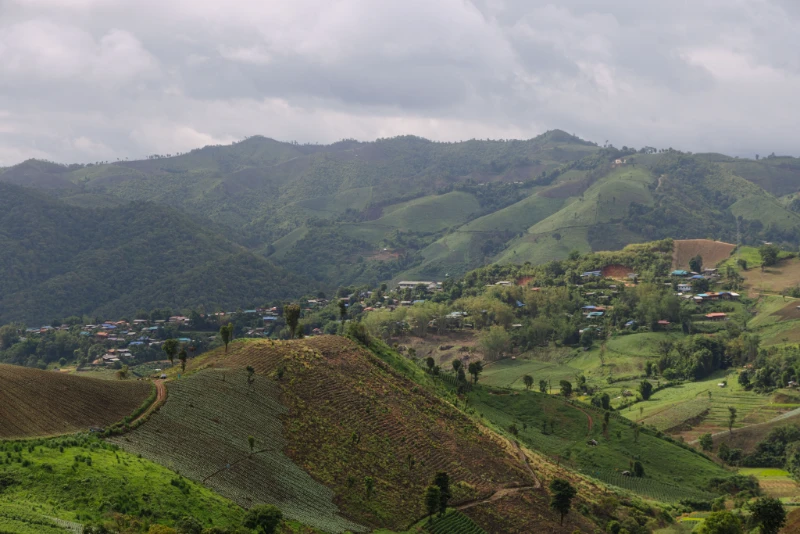
Ban Mae Khong is a highland community located in the mountainous region of Omkoi District, Chiang Mai Province. The area is characterized by rugged mountain ranges and steep terrain. There are two main routes connecting the community to Omkoi District: the Omkoi–Na Kian–Mae Khong route and the Omkoi–Mae Long–Mae Khong route. The community is approximately 60 kilometers from the district center. Most roads consist of laterite and unpaved surfaces, with some sections paved in concrete. Although transportation has improved significantly compared to the past, four-wheel-drive vehicles are still recommended, particularly during the rainy season.
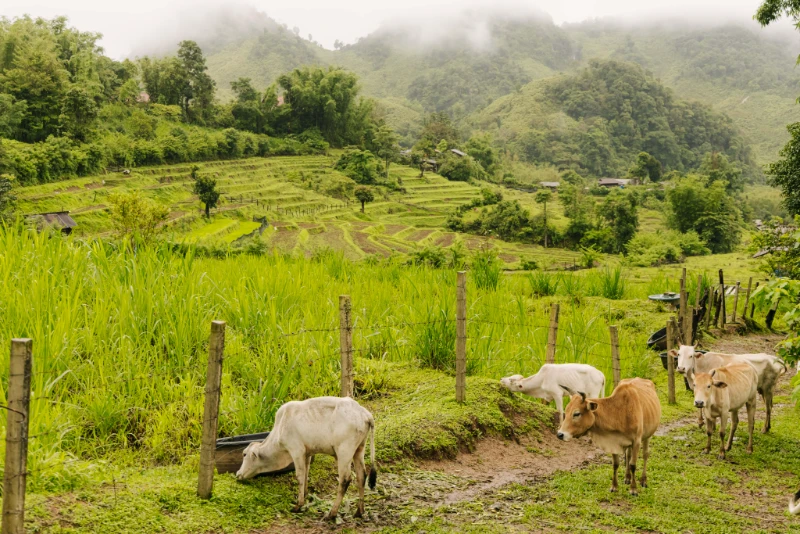
The community has a population of approximately 850 residents living in 145 households. Most inhabitants belong to the Karen Bow ethnic group, who continue to preserve their traditional way of life, customs, and cultural heritage. Agriculture remains the primary occupation, with families cultivating upland rice and paddy rice mainly for household consumption. Livestock, particularly native chickens, are also raised as an important source of food. In addition, some households operate coffee plantations and cultivate economic crops such as pumpkin and passion fruit. Approximately 25 households are engaged in these cash-crop activities.
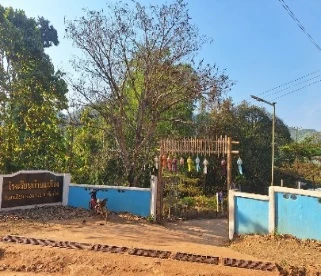
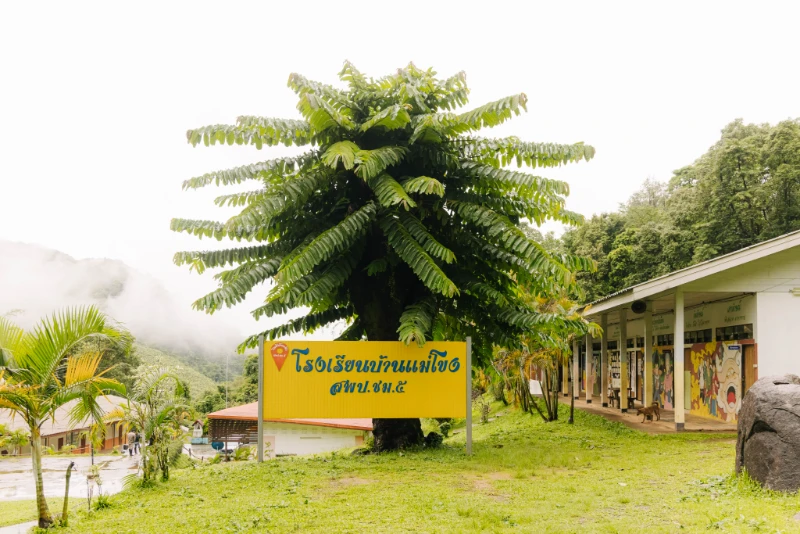
The village is equipped with essential facilities and public infrastructure, including six community shops, Ban Mae Khong School, one Buddhist temple, and one church. The community benefits from a hydropower-generated electricity system that supplies energy locally. The Mae Khong River flows through the area, and the village also maintains a communal fishpond, which contributes to local food security and serves as an additional source of nutrition for residents.
Ban Mae Khong School utilizes a mountain-fed water supply system for drinking and household use. The school also operates agricultural and livestock projects that support its student lunch program. These activities include raising pigs, fish, native chickens, and laying hens, as well as cultivating seasonal vegetables that are used in meal preparation for students. Additional food ingredients are purchased from external suppliers when necessary to meet the nutritional needs of the students.
In terms of culture and beliefs, the community continues to preserve the traditional customs of the Karen Bow people. Important practices include ceremonies honoring farm spirits, rice-field spirits, and household spirits, reflecting the close relationship between the community, agriculture, and the natural environment. Other significant traditions include the Wrist-Tying Ceremony, which is performed to call back and strengthen a person's spirit, and the Highland New Year Festival, both of which play important roles in promoting community unity and cultural continuity.
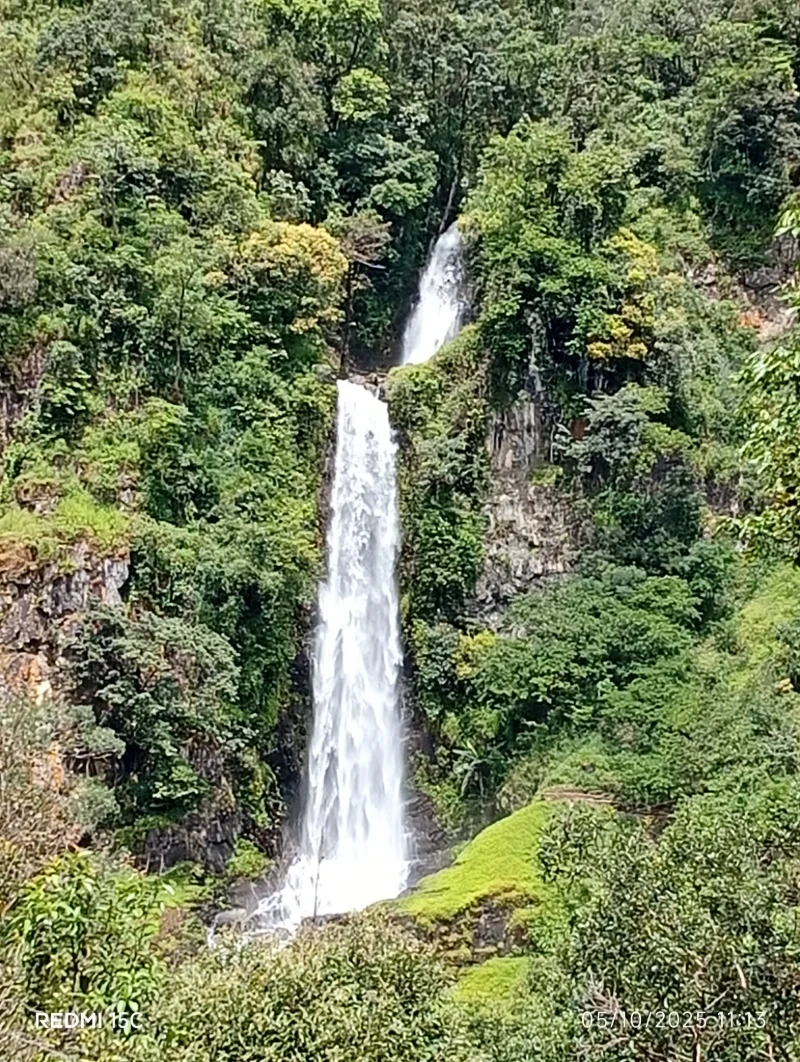
One of the community’s greatest strengths is its suitability for agriculture, supported by fertile natural resources and favorable environmental conditions. Residents continue to follow a traditional lifestyle characterized by self-reliance, community cooperation, and mutual support. The community also maintains strong collaboration with government agencies and actively supports the work of local leaders in pursuing community development initiatives.
Despite these strengths, Ban Mae Khong still faces several challenges. Some residents have limited literacy skills, particularly in reading and writing, and may be hesitant to embrace change or new opportunities. Efforts to promote livelihood development have not always been continuous, and there is currently a lack of strong occupational groups and youth development organizations within the community. Addressing these challenges will be important for strengthening local capacity, creating sustainable economic opportunities, and improving the overall quality of life for future generations.
With its rich cultural heritage, strong community spirit, agricultural potential, and abundant natural resources, Ban Mae Khong has significant potential to develop into a model highland community that successfully balances cultural preservation, environmental stewardship, and sustainable socio-economic development.