Ban Mae Mong Yao
Wawee Subdistrict, Mae Suai District, Chiang Rai Province, Thailand
Ban Mae Mong Yao is an ethnic highland community located within the Mae Lao Left Bank National Reserved Forest in Wawee Subdistrict, Mae Suai District, Chiang Rai Province. The community is situated approximately 65 kilometers from Mae Suai District and around 130 kilometers from Chiang Rai City. Access to the village is via a combination of gravel and concrete roads winding through rugged mountainous terrain. As the area consists entirely of steep hills with virtually no flat land, traveling to and from the community can be challenging, particularly during the rainy season, when four-wheel-drive vehicles are often necessary.
The surrounding landscape is characterized by steep mountains and dense evergreen forests that remain rich in biodiversity and natural resources. These environmental conditions are well suited to agriculture and support a way of life closely connected to nature. The community comprises approximately 109 households with a population of around 400–500 residents. The population includes members of the Akha, Yao (Mien), and Lahu ethnic groups. Most residents practice Christianity while also maintaining traditional beliefs related to ancestor spirits. The community has two churches, located in the upper and lower sections of the village, which serve as important centers for worship and community activities.
Agriculture is the primary occupation of every household. Residents engage in farming, orchard cultivation, and wage labor. The main economic crops are Assam tea and lychee. Since the village is located within a protected forest reserve, agricultural land cannot be expanded beyond existing boundaries. The community’s Assam tea cultivation is distinctive because tea trees are grown naturally under forest canopies or intercropped within lychee orchards, unlike Oolong tea, which is typically planted in organized rows. Assam tea plants resemble natural forest trees and can be harvested for fresh leaves, processed tea products, and Miang tea (fermented tea leaves), which are sold through the Wawee market network.
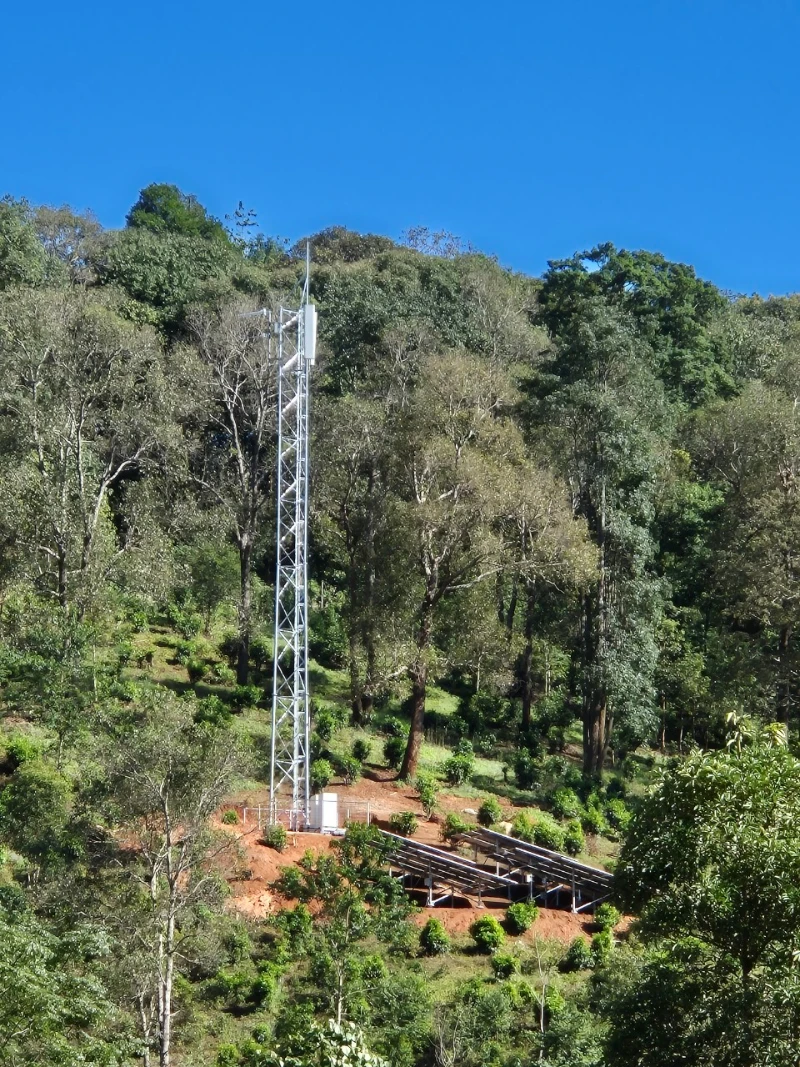
The community is supported by important water resources, including one river and one stream. Several water management systems have been established to support household consumption and agriculture, including three BAAC check dams, two “Living Weirs” developed in collaboration with Chiang Rai Rajabhat University, and fourteen mountain-fed water supply systems. Today, all households in the village have access to electricity for daily living.
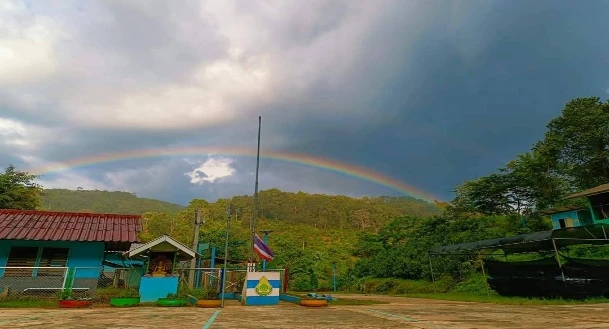
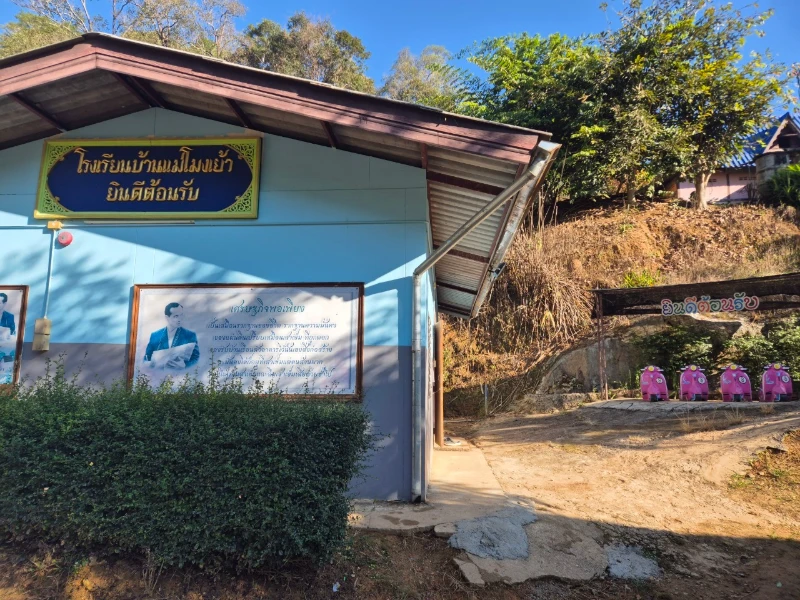
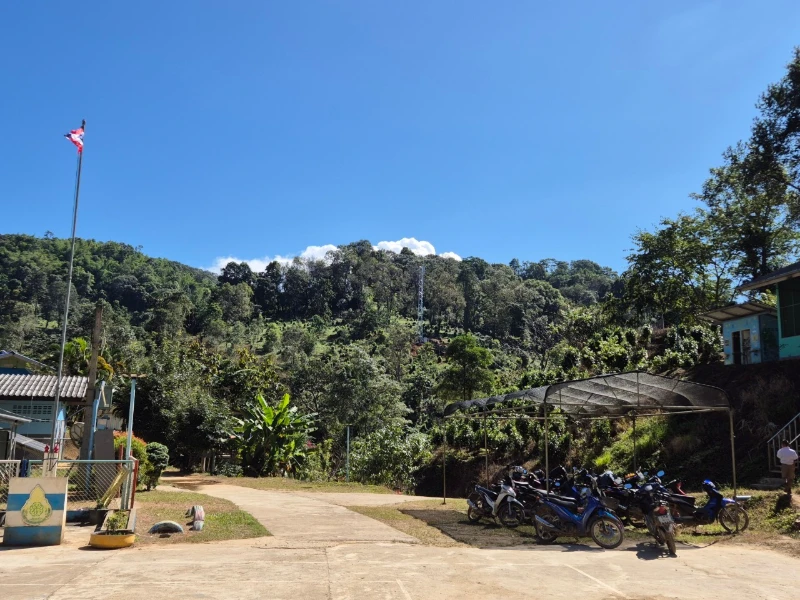
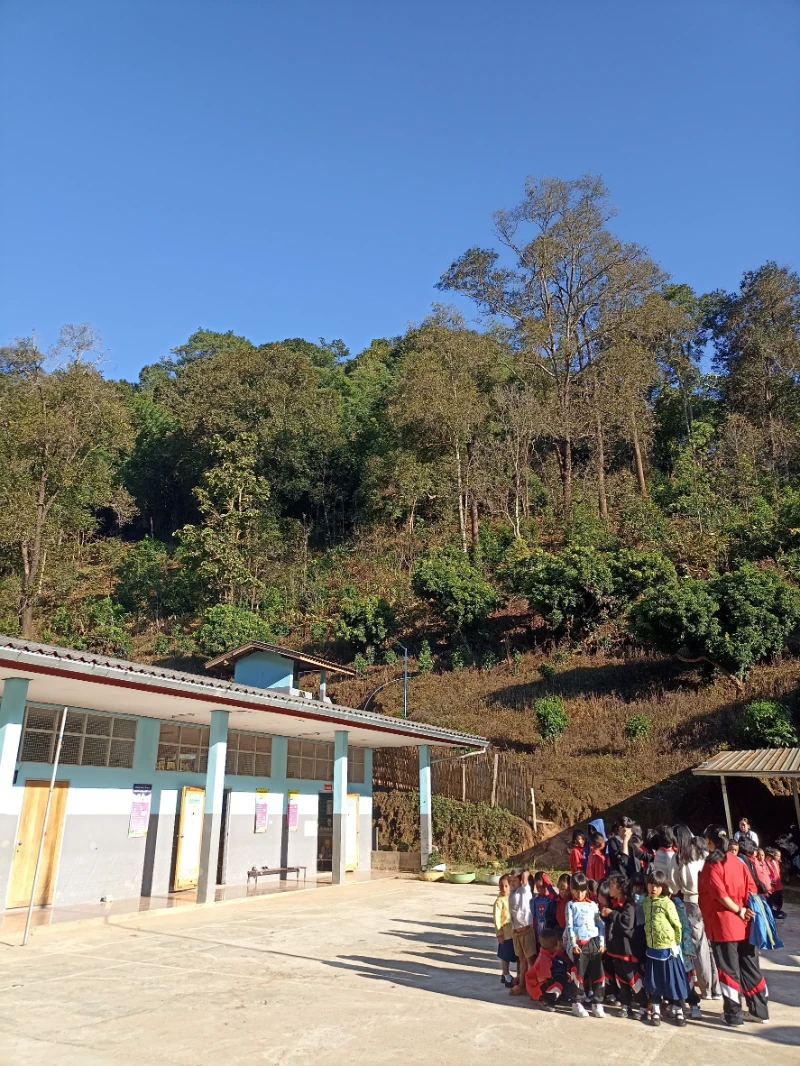
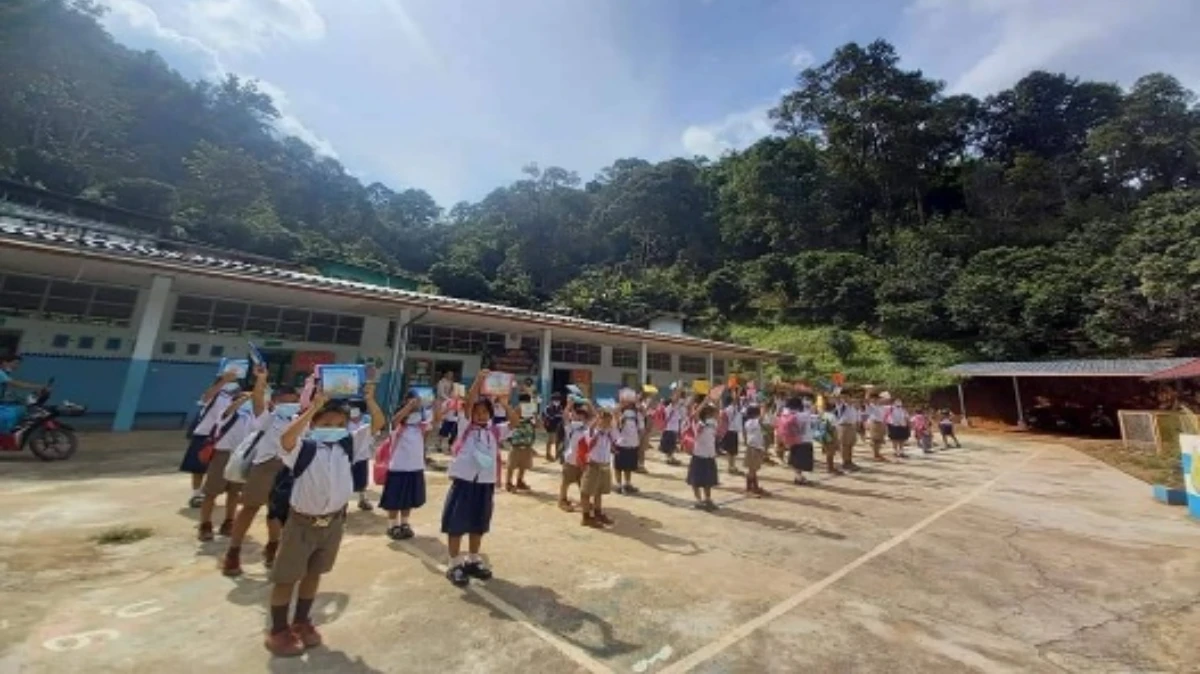
In terms of public services and education, the community has three government schools, two child development centers, one public broadcasting tower, and one village pavilion. Ban Mae Mong Yao School serves approximately 100 teachers and students combined. The school is situated on a mountainside basin resembling a natural amphitheater, with classrooms, teacher residences, and student dormitories built along the contours of the landscape.
A distinctive feature of the school is its plantation of approximately 2,000 Assam tea trees surrounding the campus. Students actively participate in maintaining the tea plantation by removing weeds, caring for the trees, and harvesting tea leaves. The tea is sold to tea-processing factories approximately four times per year, generating additional income that helps support educational materials, equipment, and other necessities not fully covered by government funding.
The school also maintains vegetable gardens that function as agricultural learning laboratories for students. Although the available cultivation area is not sufficient to produce all the food required by the school, these gardens provide valuable opportunities for hands-on learning and skill development in agriculture and environmental stewardship.
Another notable strength of the community is its commitment to Chinese language education. In addition to attending the Thai school, children can study Chinese after regular school hours. Chinese language classes are held at the church in Ban Mae Mong Nuea (Upper Mae Mong Yao Village) from Monday to Friday, 4:00–6:00 p.m., and on Saturday mornings, 8:00 a.m.–12:00 noon. Classes are suspended on Sundays to allow participation in religious activities. Nuns provide transportation for students between the Thai and Chinese schools.
The Chinese school, Thai school, and community work closely together to organize a variety of public-service and community-development activities. These include Children's Day celebrations, community clean-up campaigns, school landscaping improvements, waste collection programs, and other initiatives aimed at enhancing shared public spaces. Such collaboration reflects the strong community spirit and active participation of local residents.
The community also continues to preserve a rich body of traditional knowledge and cultural heritage. Local wisdom includes the use of herbal therapies, postpartum herbal treatments, and herbal steam baths for health and wellness. Traditional handicrafts remain important cultural expressions, including Mien ethnic embroidery, bamboo weaving for chicken coops and baskets, and the production of handmade household brooms. These practices serve as valuable cultural assets that reflect the unique identity, history, and way of life of the ethnic groups residing in Ban Mae Mong Yao.
With its rich natural resources, ethnic diversity, strong educational initiatives, and commitment to preserving traditional knowledge, Ban Mae Mong Yao demonstrates significant potential as a model highland community that successfully integrates environmental conservation, cultural preservation, education, and sustainable livelihood development.