Ban Mae To La
Mae Sam Laep Subdistrict, Sop Moei District, Mae Hong Son Province, Thailand
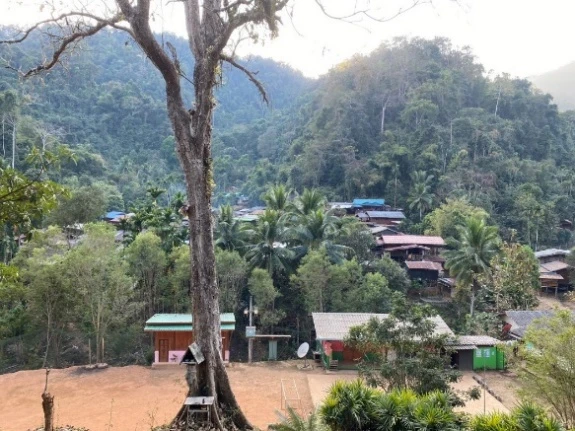
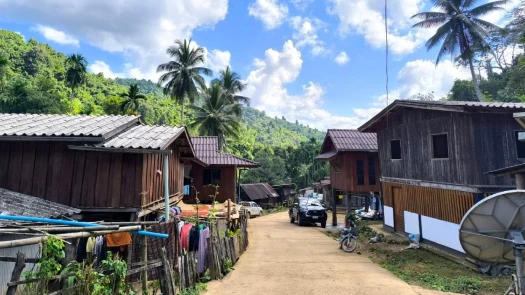
Ban Mae To La is a Karen ethnic community located in the mountainous highlands of Sop Moei District, Mae Hong Son Province, Thailand. Access to the community is relatively difficult, as most of the route consists of gravel and concrete roads winding through rugged mountainous terrain. The village is located approximately 86 kilometers from the Sop Moei District center.
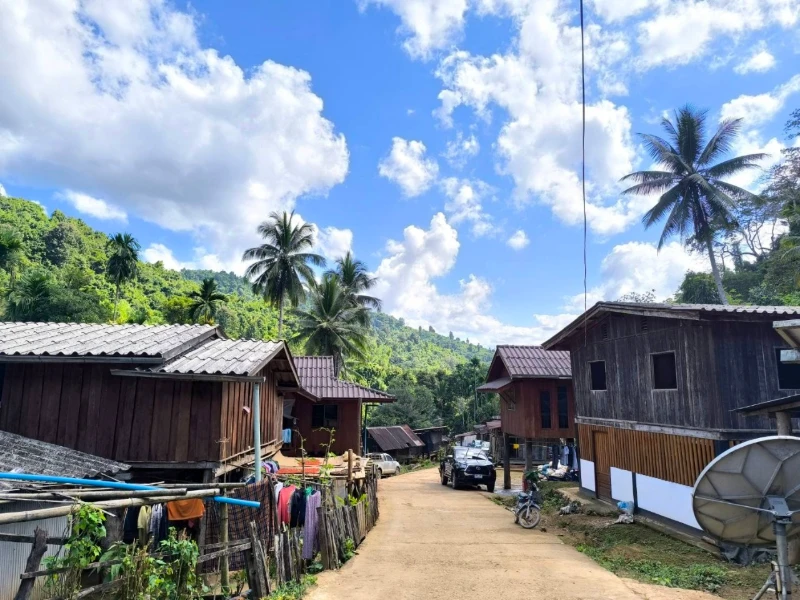
The community consists of 93 households with a population of more than 500 residents. Most villagers practice Buddhism, followed by Christianity, and continue to maintain a simple way of life that reflects the realities of a remote highland community. The primary occupation is subsistence agriculture, including rice farming and upland cultivation. Unlike many communities in northern Thailand, commercial maize cultivation is not widely practiced in Ban Mae To La.
Infrastructure and Energy
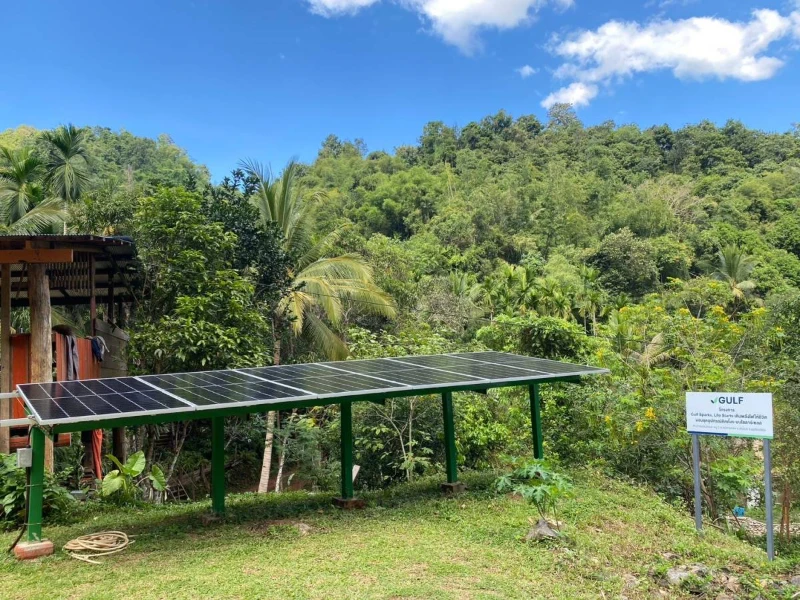
Ban Mae To La is not connected to the national electricity grid. As a result, residents rely primarily on solar energy systems for electricity. However, only about 30 households have small solar panel systems installed, and many of these systems are damaged or have deteriorated over time, limiting their effectiveness.
Several households, particularly those located in higher and more remote areas of the village, still have no electricity access at all. These families rely on candles and flashlights for illumination at night. Charging mobile phones and other electrical devices often requires visiting relatives' homes or locations where electricity is available.
Public Facilities and Basic Services
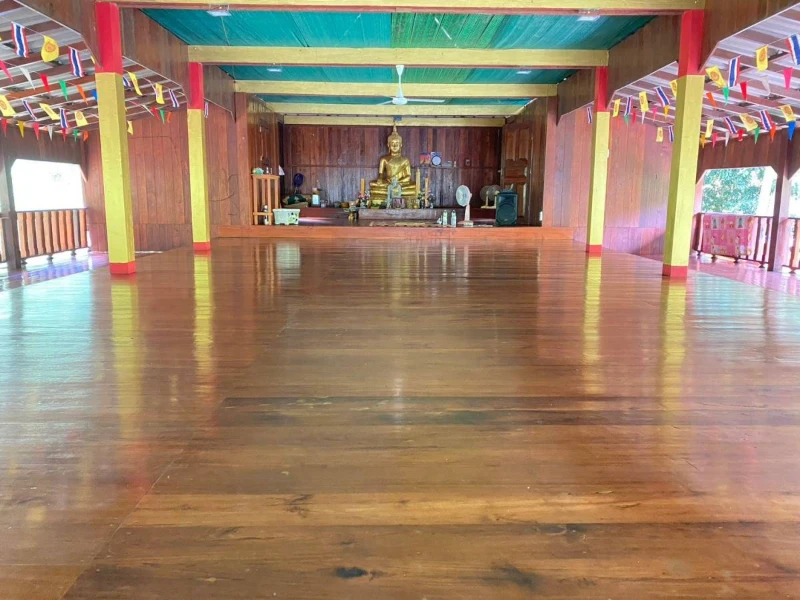
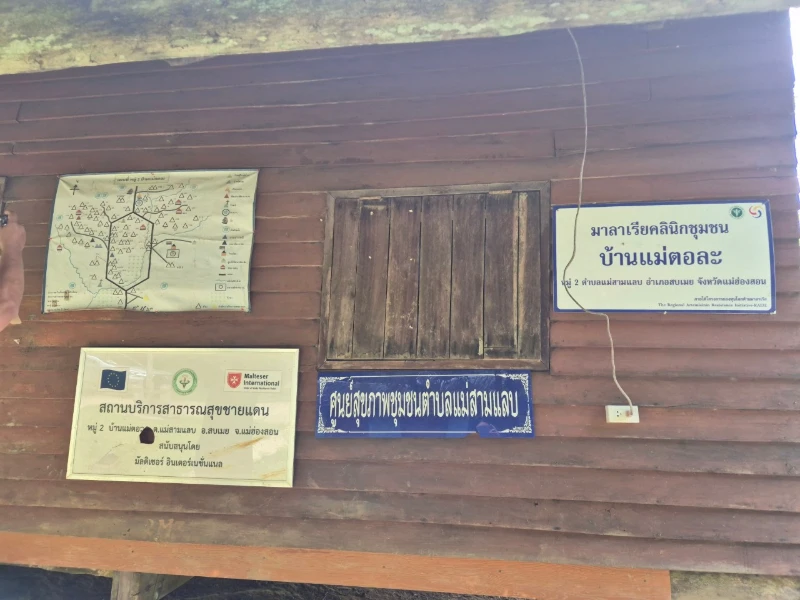
The community has several important public facilities, including a community hall, a health station, and a Buddhist monastery. However, all of these facilities face significant limitations related to electricity access.
- Community Hall: There is no electricity supply, limiting its use to daytime activities only.
- Community Health Center: Equipped with two solar panels generating approximately 200–250 watts of electricity, which is sufficient for basic lighting during the evening but inadequate for operating additional medical equipment.
- Monastery: Home to one resident monk, the monastery relies on a generator during major community events. Key areas such as the kitchen, restrooms, and temple grounds still lack adequate lighting.
Education and Ban Mae To La School
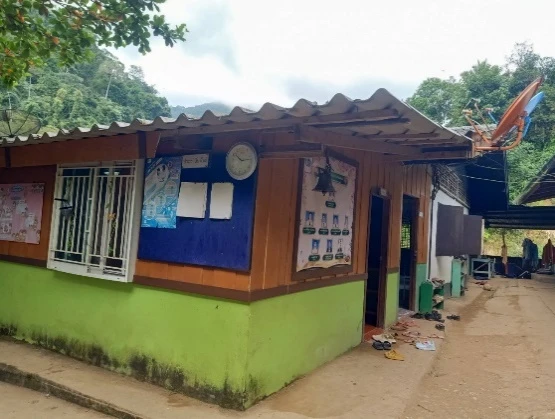
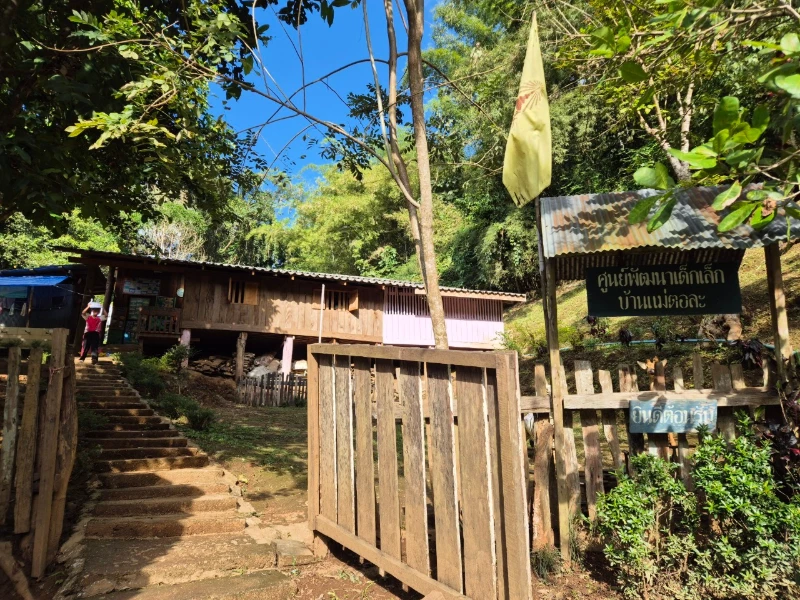
Ban Mae To La School provides education from Kindergarten Level 2 through Grade 6. The school serves 74 students and employs 9 staff members, including the school principal.
The school facilities consist of:
- One building provided by the Office of the Basic Education Commission (OBEC)
- Four additional buildings constructed through community collaboration
Most students are from the local community, while some come from nearby remote areas. Currently, there are no boarding students. After completing primary education, students must travel to boarding schools in Mae Sariang District to continue their studies at higher educational levels.
Energy Situation at the School
The school has two solar power systems that were installed more than ten years ago. Currently, only one system remains operational, with a capacity of approximately 4 kilowatts, while the second system is out of service due to equipment and battery deterioration.
During the dry season, the remaining system can generally support basic electricity needs. However, during the rainy and winter seasons, electricity generation becomes insufficient, significantly affecting both learning activities and daily school operations.
Key challenges include:
- Inability to operate high-energy appliances such as food freezers.
- The computer laboratory contains approximately 10 computers, but only three computers can normally be used, and only when sufficient electricity is available.
- Computer and technology education often focuses on theoretical instruction rather than practical use because of energy limitations.
- No electricity is available in the school's agricultural learning areas.
- Electricity is often depleted early in the evening, restricting after-school activities and student learning opportunities.
Water Resources and Water Security
The community relies on a mountain-fed water supply system, which generally provides adequate water for household consumption and daily use. Ban Mae To La School has also installed a water filtration system to ensure safe drinking water for students and staff.
Key Challenges Facing the Community
Although Ban Mae To La demonstrates strong community cohesion and a self-reliant way of life, it continues to face several significant development challenges:
- Limited access to electricity, as the village is not connected to the national power grid and existing solar systems are either insufficient or deteriorating.
- Educational limitations, particularly regarding access to digital learning technologies and the effective use of computer facilities.
- Reduced quality of life in public spaces due to inadequate lighting and insufficient energy infrastructure.
- Vulnerability associated with remoteness, including challenges in transportation, access to essential services, and the development of infrastructure necessary for long-term community well-being.
Community Potential and Future Outlook
Despite these challenges, Ban Mae To La remains a resilient highland community that has successfully preserved its traditional Karen culture, values, and way of life. The community continues to demonstrate strong self-reliance, close social bonds, and a deep connection to its natural environment.
Ban Mae To La represents both the challenges and opportunities faced by remote highland communities in Thailand. While improved access to sustainable energy, education, and essential infrastructure would significantly enhance quality of life, the community's cultural heritage, local wisdom, and commitment to mutual support provide a strong foundation for sustainable development in the future.