Ban Doi Wiang
Si Dong Yen Subdistrict, Chai Prakan District, Chiang Mai Province, Thailand
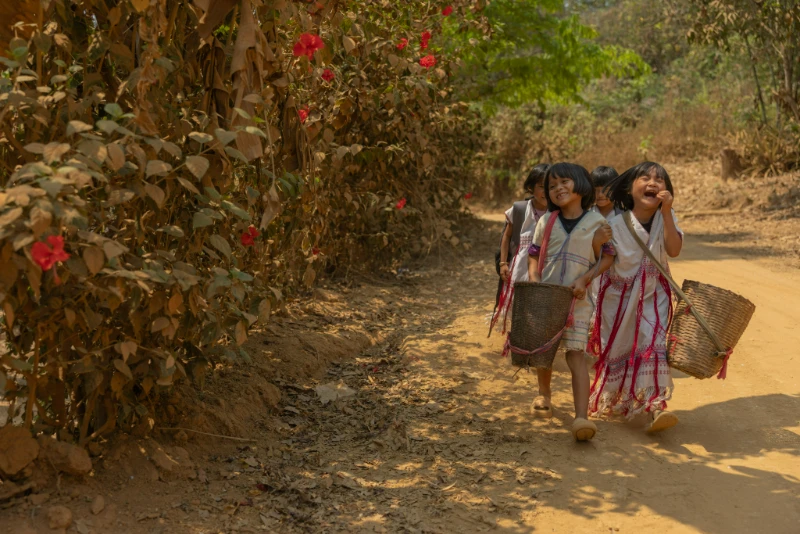
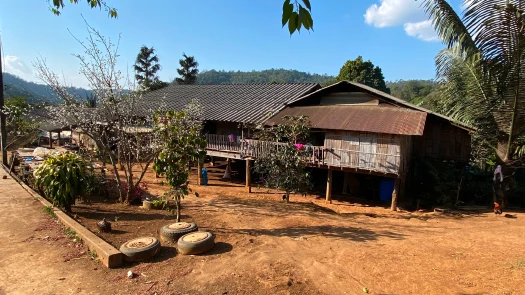
Ban Doi Wiang is a highland community inhabited primarily by the Lahu ethnic group (Yellow Lahu or Musoe Luang) in Chiang Mai Province. The village is situated at an elevation of approximately 1,400 meters above sea level, surrounded by forests and abundant natural watershed resources, particularly within the Fang watershed area, which plays an important role in maintaining the local ecosystem. The community enjoys a cool climate throughout the year and continues to preserve its traditional way of life, cultural heritage, and close relationship with nature.
Historically, the area was originally inhabited by the Lisu people before Lahu families gradually migrated and established permanent settlements. In 1980, following a royal visit by His Majesty King Bhumibol Adulyadej the Great and Her Majesty Queen Sirikit, the community received support through the Royal Project initiatives. These programs promoted sustainable livelihoods, watershed forest restoration, and the reduction of shifting cultivation practices. As a result, the quality of life of local residents has steadily improved over the years, and the community was officially established as a village in 1999.
Today, Ban Doi Wiang has a population of approximately 306 residents living in 94 households. The majority of villagers practice Christianity, including both Protestant and Catholic denominations. Residents continue to use the Lahu language alongside Thai and maintain a strong community governance system through village committees and locally agreed community regulations.
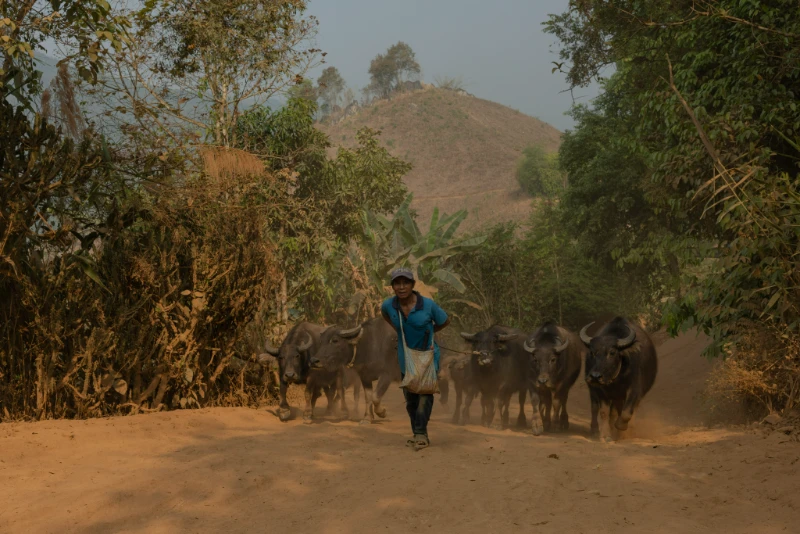
Agriculture remains the primary occupation of community members. Highland crops include coffee, tea, plums, beans, and various temperate-climate crops, alongside small-scale livestock raising for household consumption. Over time, the community has transitioned toward more sustainable and environmentally friendly farming practices, reducing pressure on forest resources while creating long-term income opportunities for local households. In particular, the cultivation of high-quality coffee and other economic crops has become an important source of income for many families.
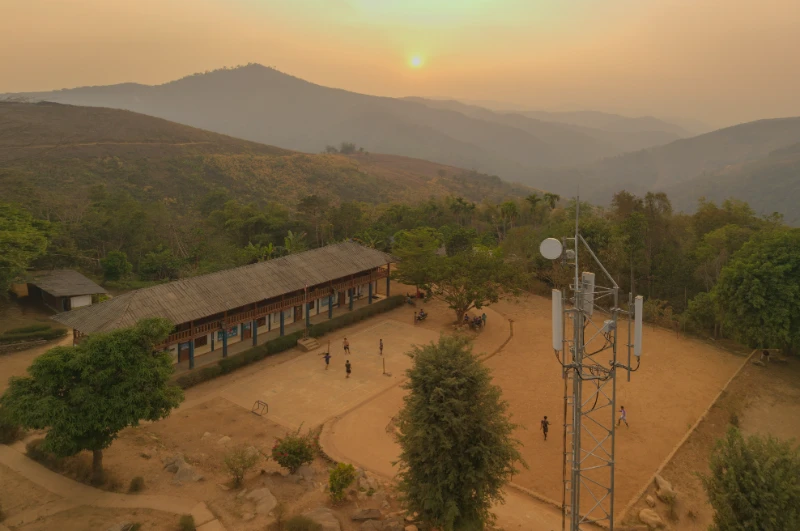
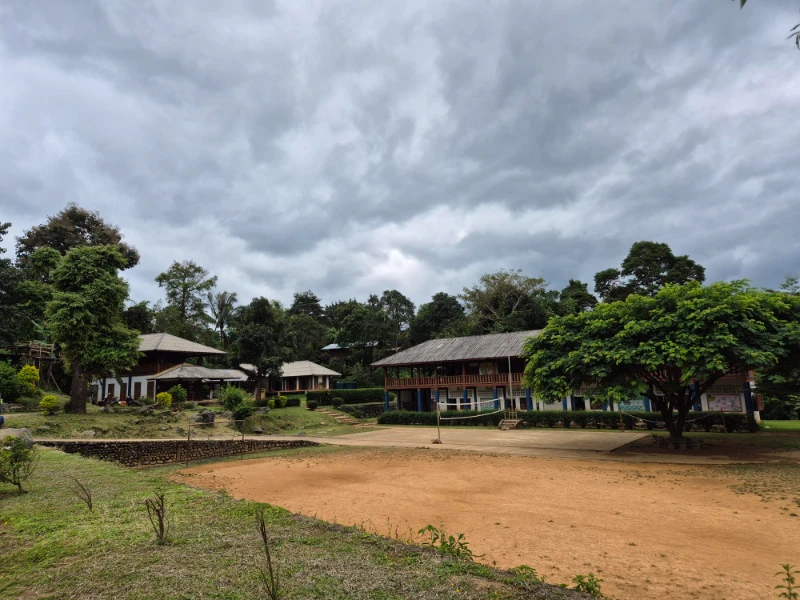
In the field of education, the community is served by the Mae Fah Luang Community Learning Center, which functions as a hub for non-formal education and the transmission of local wisdom. Religious institutions and agricultural areas are also used as learning spaces where children and youth can gain practical knowledge through everyday experiences. Educational activities emphasize the integration of learning with traditional lifestyles and the sustainable use of natural resources.
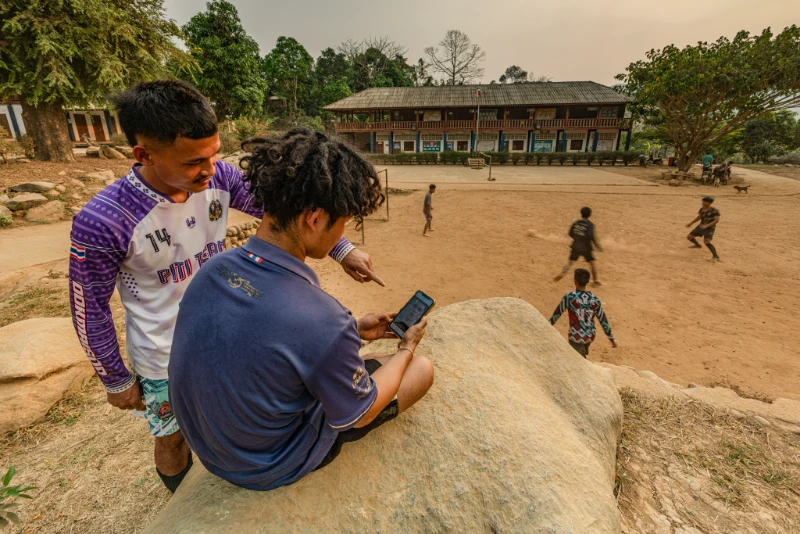
The community generates electricity from micro-hydropower and solar energy systems, while household water is supplied through a mountain-fed water supply system. Residents continue to rely on natural resources in a balanced and sustainable manner. Although Ban Doi Wiang is located in a remote highland area, mobile phone networks are available, allowing villagers to access information, communicate with the outside world, and benefit from modern communication technologies.
The people of Ban Doi Wiang continue to uphold and celebrate their traditional Lahu culture and customs. Important cultural practices include the New Rice Festival, religious ceremonies, and various community activities that reinforce unity, respect for community leaders, and mutual support among residents. Community members place great importance on protecting watershed forests and collectively managing natural resources for future generations.
Ban Doi Wiang stands as an excellent example of a highland community that has successfully balanced environmental conservation, cultural preservation, and socio-economic development. Through sustainable agriculture, strong community participation, and responsible natural resource management, the village demonstrates significant potential as a model community for sustainable development in Northern Thailand.