Ban Huai Pong Pattana
Mae Thalop Subdistrict, Chai Prakan District, Chiang Mai Province, Thailand
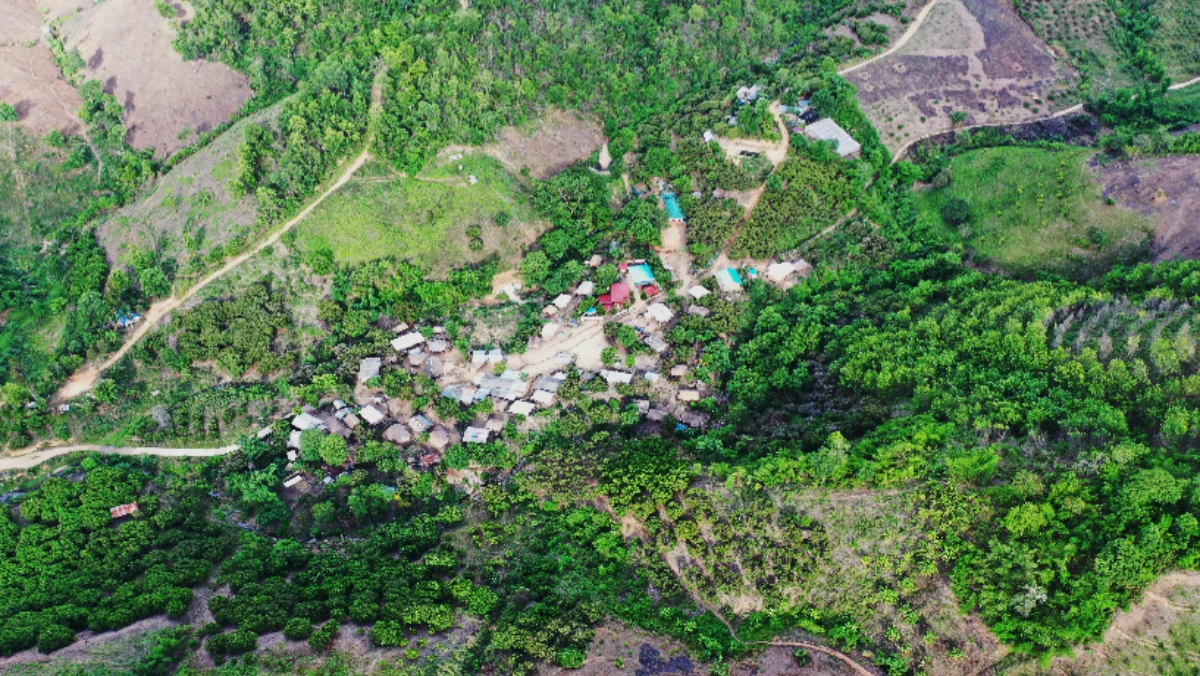
Ban Huai Pong Pattana is a highland community located in Chai Prakan District, Chiang Mai Province. The village was established in 1992 by families who migrated from Ban Huai Miang and gradually developed the settlement into a small yet resilient community with a moderate level of self-reliance. The community’s name is derived from “Huai Pong,” a natural stream that serves as an important water source supporting both local livelihoods and agricultural activities.
Situated amidst high mountains and rich natural surroundings, the community enjoys a cool climate throughout the year. Most access routes are unpaved gravel roads, making transportation difficult during certain periods of the year. Nearby communities include Ban Pong Jok Sankhuean, Ban Doi Wiang, Ban Huai Sai, and Ban Huai Nam Dip.
Today, Ban Huai Pong Pattana has a population of approximately 115 residents living in 26 households. Most villagers practice Buddhism alongside traditional ethnic beliefs, including the worship of ancestral spirits and the observance of customary rituals. These spiritual traditions remain an important part of the community’s identity and daily life.
Agriculture is the primary occupation of local residents. Farming is predominantly based on monoculture cultivation, and in most cases crops can be grown only once per year. As a result, household incomes can be unpredictable. The average annual household income is approximately 130,000 Thai Baht. Some families supplement their income through wage labor and small-scale trading within the community. Although the local economy remains at a subsistence level, the community possesses significant potential to diversify livelihoods and transition toward more sustainable agricultural practices in the future.
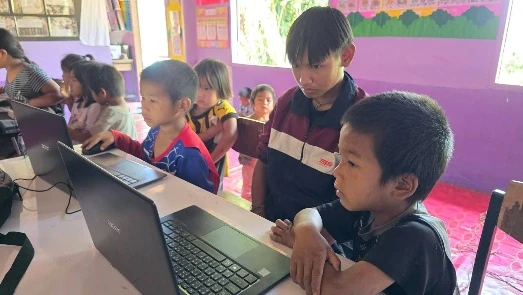
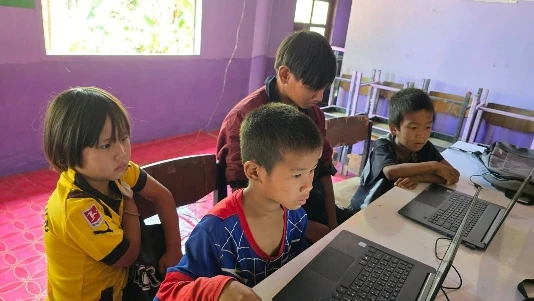
In terms of education, the community is served by the Mae Fah Luang Community Learning Center of Ban Huai Pong Pattana, which provides educational opportunities for youth at both lower and upper secondary levels. However, some students still need to continue their education in neighboring areas due to limitations in grade-level availability, travel distance, and associated costs.
The lifestyle of the community remains simple and deeply connected to family and communal values. Residents regularly participate in important cultural and traditional activities, including the New Rice Festival, community merit-making ceremonies, and rituals associated with traditional beliefs. During major religious and cultural events, villagers often wear their traditional ethnic attire, helping to preserve and promote their cultural heritage.
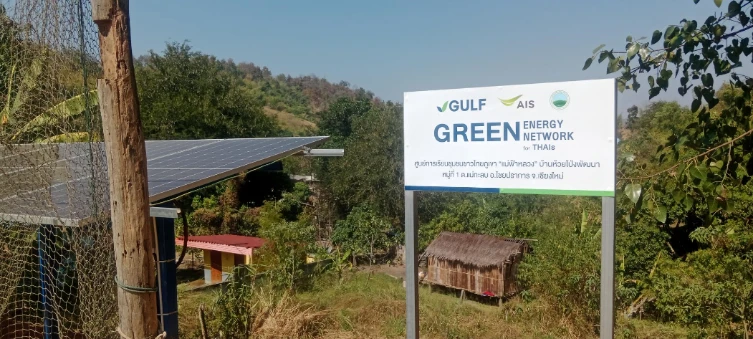
In terms of public utilities, the community relies on natural water sources for household use and agriculture. Educational facilities and places of worship are available within the village. However, access to healthcare services remains limited, and residents continue to depend largely on support from external health agencies and nearby service providers.
With its abundant natural resources, strong cooperation among residents, and committed local leadership, Ban Huai Pong Pattana has considerable potential to become a model highland community. By enhancing quality of life while preserving its cultural heritage and natural environment, the community is well positioned to pursue sustainable and balanced development for future generations.